Drainage Solutions for Soggy Spots: French Drains, Dry Creek Beds & More in Newnan, GA
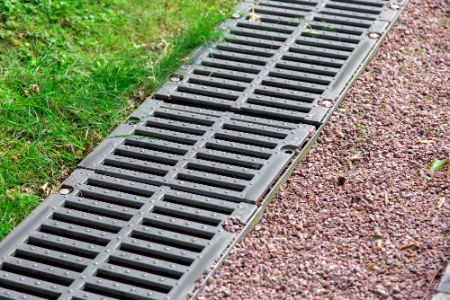
If parts of your lawn stay squishy or puddles linger after a storm, you’re seeing clear signs your yard needs help. In Newnan’s red clay, water can sit for days and stress turf, invite mosquitoes, and push moisture toward your foundation. Our team at Greenskeeper Lawn Care & Landscaping LLC designs practical, long-lasting fixes for problem areas, from discreet French drains to natural-looking dry creek beds. Explore how professional drainage solutions turn soggy spots into usable space and protect your home.
Why Yard Drainage Matters In Newnan, GA
Newnan gets quick, heavy downpours in warm months and steady winter rains. Combine that with clay soils in neighborhoods like Summergrove, Avery Park, Stonebridge, and near Lake Redwine, and you have a recipe for slow infiltration and runoff. **Standing water near your foundation is a red flag** because it can lead to erosion, mildew, and settlement over time.
Good drainage protects more than your grass. It reduces moldy odors around crawlspaces, keeps patios and walkways safer, and preserves mulch and planting beds. Think of drainage as your yard’s plumbing: if water doesn’t have a planned path out, it finds its own path in.
What Causes Soggy Spots And Pooling Water
Every yard is different, but we often trace problems back to one or more of these conditions:
- Compacted clay that resists infiltration
- Low spots created by settling near patios, driveways, or along fence lines
- Downspouts that dump too close to the house or onto flat ground
- Landscape features that block natural flow, like edging that forms a dam
- Runoff from neighboring lots on gentle slopes
In short, **Georgia red clay holds moisture**, and small grading issues can amplify puddling after each storm.
Smart Drainage Solutions: French Drains, Dry Creek Beds, And More
There isn’t one “best” fix for every yard. The right plan directs water from where it causes problems to where the soil and landscape can handle it. Here are proven options we use around Newnan:
- French drains: A hidden, subsurface system that collects and reroutes water before it surfaces in your lawn or near the foundation.
- Dry creek beds: A natural-looking stone channel that guides runoff safely through the landscape and reduces erosion.
- Downspout extensions: Simple, reliable extensions that carry roof water away from your home to a safe discharge point.
- Regrading and contouring: Subtle slope adjustments that restore positive flow away from structures and planting beds.
- Catch basins and yard drains: Surface inlets that capture sheet flow in problem areas and move it underground.
- Retaining walls with drainage: Walls with built-in drainage that stabilize slopes and relieve hydrostatic pressure.
When designed together, these act like lanes on a roadway, each carrying water efficiently to its destination without flooding the rest of your property.
Matching The Fix To Your Yard’s Problem Areas
Think about where water starts, where it collects, and where it should go. For example, a small depression by the driveway may need a catch basin tied to pipe, while a long, soggy side yard might call for a French drain that gathers subsurface water along the fence line. If your mulch keeps washing out on a slope, a dry creek bed can slow, capture, and guide runoff while adding curb appeal. For roof runoff, downspout extensions paired with proper grading are reliable pooling water fixes that prevent washouts at corners and keep moisture away from crawlspaces.
In parts of Newnan with mature trees, we also consider root-safe routing, so pipes and stone channels work around roots without starving trees of moisture. **Never ignore water flowing toward the house**. Over time, unchecked flow can undermine hardscapes and make doors or windows stick after heavy rain.
How We Diagnose Yard Drainage Issues
Our process starts with a site walk after recent rain or irrigation. We look at soil type, slope, downspout locations, settled areas, and where water reappears after it soaks in. We also review how patios, driveways, or landscape borders influence runoff. Then we map a path of travel for water that follows gravity, respects property lines, and prevents erosion.
From there, we recommend the least disruptive plan that solves the root cause and pairs well with your landscape goals. Often, a simple change like downslope discharge or a short drain run can protect a large area when it’s placed in the right location.
Materials That Work In Georgia Clay
Clay soils demand durable components that keep water moving. We specify stone that won’t compact, fabric that filters fines without clogging too quickly, and pipe that maintains grade even under lawn traffic. For dry creek beds, we blend sizes of river rock for stability and appearance, then connect the rock channel to an area that can absorb or safely disperse flow.
For downspout extensions, we route water to a lower section of the yard or to a dispersion zone that slows the flow. Small choices like outlet location matter. Place the outlet where turf can handle periodic wetting, not at fencing low points or against raised beds.
French Drains, Dry Creek Beds, Or Both?
A French drain is ideal when water seems to seep up from the soil or when a long stretch of lawn stays spongy. A dry creek bed shines where you see clear surface flow carving channels after rain. Many homes benefit from a hybrid approach: a French drain under turf to catch subsurface water that feeds into a dry creek bed for attractive, visible conveyance through the landscape. Tying your downspouts into this system prevents new wet spots from forming at the corners of your house.
If you’re unsure which option fits, review our drainage solutions overview and think about where you see water first. A quick professional assessment can align the right tools for the job so fixes work together instead of competing.
Seasonal Timing And Neighborhood Considerations
In Summergrove and other HOA communities, landscape updates often happen in the cooler months when turf growth slows. That timing also helps new drainage work settle before spring rains. Around Lake Redwine and rolling areas outside town, we pay special attention to slopes and outlet locations so water disperses without eroding banks or mulched beds. In established areas near downtown Newnan, tight side yards may call for slimmer drain profiles that fit between fences and AC units.
Whatever the neighborhood, **a proper drainage plan protects your home and landscape**. It also makes weekly lawn care easier, since equipment isn’t churning up muddy ruts after every storm.
What You’ll Notice After A Professional Fix
A week or two after installation, the biggest change is under your feet. Lawns feel firm instead of spongey, mulch stays put, and landscape borders remain clean. Puddles stop forming in the usual spots, and you’ll see less algae or mildew near shaded foundations. On stormy days, you can watch water move the way it should: collected, guided, and gone.
That peace of mind matters. It means patios stay safer, foundations stay drier, and your landscape plants get the right amount of moisture without drowning roots.
Common Questions From Newnan Homeowners
Every project involves some trenching or grading, but we plan routes to minimize visible impact and restore areas with sod or mulch for a clean finish.
We evaluate roof size, slope, and yard layout to determine the best tie-in points and use downspout extensions where they add the most benefit without overloading any one area.
Periodic checks keep systems in top shape. We make cleanout points accessible and design outlets you can visually inspect after storms.
Ready To Dry Out Your Yard?
If you’re tired of puddles and soft ground, we’re ready to help. Learn more about the professional drainage solutions we offer around Newnan, then schedule a visit. You can also explore yard drainage in Newnan, GA resources on our site to see how good planning prevents repeat problems.
Call Greenskeeper Lawn Care & Landscaping LLC at 678-552-7834 to book your assessment. We’ll walk your property, pinpoint the cause, and design a custom plan that fits your landscape so you can enjoy a dry, usable yard after every storm.
Start Beautifying Your Lawn With Our Landscaping Contractors In Newnan!