Weed Control or Fertilization: What Comes First for a Healthy Newnan Lawn?
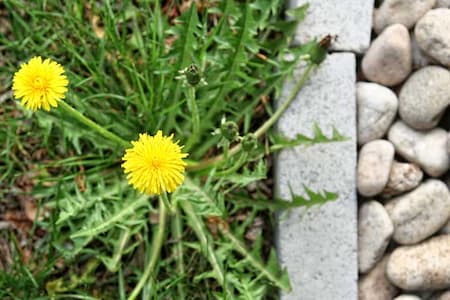
If you want a thick, green yard in Newnan, the order of your treatments matters. Most lawns thrive when you focus first on stopping weeds from stealing space, light, and nutrients, then you feed the grass so it fills in and stays strong. That’s why many local plans begin with weed control and follow with a thoughtful fertilization program tailored to our warm, humid seasons.
Think of it like building a house. You pour the foundation before you decorate the rooms. Controlling weeds is your foundation. Fertilizer is the décor that makes everything shine. When you get the sequence right, results come faster and last longer across neighborhoods like Summergrove, Avery Park, and around East Newnan.
Why the Order Matters
Weeds are expert competitors. They germinate quickly, spread fast, and crowd out young turf shoots. If you fertilize first, you risk feeding the weeds as much as the grass. Then they expand, shade the soil, and keep your lawn thin and patchy.
Don’t fertilize overactive weed outbreaks expecting them to disappear. You’ll often see a short green bump followed by more weeds and bare spots. The smarter move is to reduce weed pressure first, so the nutrients you add later go straight to your grass.
Start With Weed Control: The Science and Timing
Weed control has two core approaches: preventing new weeds before they sprout and targeting the ones already up. Together, they protect Newnan lawns through spring flushes and late-summer warm spells.
Pre-Emergent vs Post-Emergent: What Works When
Pre-emergent products create a protective layer at the soil surface that blocks weed seeds from becoming seedlings. In Newnan’s climate, the key windows usually align with late winter into early spring and a second pass heading into fall. Post-emergent products are for weeds that are already visible, like clover or spurge that pop after warm rains.
- Use pre-emergent first to cut back the biggest wave of seasonal weeds.
- Follow with targeted post-emergent for the few that slip through.
Pre-emergent timing is everything for our area’s spring and fall weed cycles. When that barrier is in place, your lawn isn’t forced to compete with a new crop of invaders. Then, when you feed the turf, the nutrients go to thickening grass, not fueling weeds.
“Safe Lawn Weed Killer” Means Selective and Lawn-Type Aware
Newnan lawns are often Bermuda or Zoysia in full sun, with some Tall Fescue in shadier yards. A product that’s safe for warm-season grass may not be ideal for cool-season turf, and vice versa. That’s why professionals match selective herbicides to your lawn type and the exact weeds present, rather than using one catch-all spray on everything.
Safety also means sensible application and keeping people and pets off the lawn until it’s dry, as labeled. If your yard has a mix of grass types or you’re close to landscape beds, that selectivity becomes even more important to protect desirable plants.
Layer In Fertilization for Lasting Health
Once weeds are under control, it’s time to feed. Fertilization supports root growth, color, and density. A thicker lawn shades the soil and naturally resists future weeds. In other words, strong turf is both the goal and the best long-term defense.
Fertilization Schedule for Newnan Lawns
A good fertilization schedule in Newnan lines up with our warm, humid summers and mild winters. The plan changes with your grass type and lawn goals, but the logic stays the same: feed when the turf can use it best, not when weeds are peaking. Many homeowners hear that “more is better,” but timing beats volume every time.
Here’s how a pro looks at it without getting into product chemistry:
- Warm-season grass (Bermuda, Zoysia): Feed during active growth when soil temps rise and grass is filling in. Pause or reduce when growth naturally slows.
- Cool-season grass (Tall Fescue in shade): Focus on feeding outside the hottest part of summer so you support roots without stressing the plant.
With the right sequence, your first fertilizer pass lands after major weed pressure is checked. That gives you better color, firmer footing, and fewer bare areas for weeds to exploit later.
Common Newnan Lawn Types and How the Plan Shifts
- Bermuda: Loves the sun and responds quickly once weeds are held back. A well-timed fertilization bump thickens the canopy so summer heat doesn’t thin it out.
- Zoysia: Dense by nature, but slow to wake up. Controlling early weeds helps it green up cleanly. Feed when it’s actively growing, not too early.
- Tall Fescue: Often used in shaded yards. Weed control must be gentle and precise. Fertilization leans toward strengthening roots so it can handle warm spells.
What if Weeds are Already Winning?
If your lawn is patchy with lots of visible weeds, you’ll typically start with a post-emergent clean-up, then protect with a pre-emergent, and finally feed. That order keeps you from “supercharging” the weeds with nutrients. The moment you see a clean turn in the lawn, feeding speeds the comeback so grass fills gaps before the next wave can sprout.
Here’s a simple way to think about it:
Clean, protect, then build. Clean with post-emergent. Protect with pre-emergent. Built with fertilizer. That logic holds across most yards in Coweta County, whether you’re near downtown Newnan or out by Lake Redwine.
How Professionals Sequence Treatments the Right Way
A seasoned team doesn’t guess. They identify your grass type, scout the dominant weeds, and look at shade patterns, irrigation habits, and soil texture. Then they lay out the order and timing so each visit builds on the last.
What you gain with a pro plan:
- Assessment that matches pre-emergent vs post-emergent to the actual weeds on site.
- Fertilization is aligned with your grass type and growth stage, not a one-size calendar.
- Consistency and record-keeping so the lawn looks good season after season.
If you want to dive deeper into seasonal care ideas without the technical jargon, check out our latest landscaping tips for practical context tailored to local yards.
Signs You Need Weed Control Before Fertilization
Not sure which comes first in your yard? Use this quick gut check. If one or more of these sound like your lawn, weed control usually needs to lead:
- You see new patches of broadleaf weeds after every warm rain.
- Thin, open areas that fill with little green rosettes before grass spreads.
- Good color on weeds and pale color on turf despite watering.
- Fertilized recently, but weeds still look happy.
On the flip side, if weeds are light and turf is just a bit dull or slow, feeding may be the right immediate step after a preventive pass has done its job. That’s the art of sequencing—aiming every treatment at the biggest limiting factor.
Local Rhythm: Newnan’s Weather and Lawn Momentum
Newnan’s long warm season helps grass grow strong, but it also gives weeds a long runway. After a mild winter, seeds in the soil bank can wake up fast when soil temperatures rise. A pre-emergent barrier set before those temperature thresholds is your early defense. Then, when days lengthen and growth kicks in, fertilization makes the lawn dense and barefoot-friendly.
Late summer brings heat stress, which is another reason sequence matters. Shutting down new weeds before a hot spell gives your grass the best chance to hold color and bounce back with fall moisture. Well-fed, well-sequenced turf handles foot traffic better, too, from backyard get-togethers to kids’ playtime.
Putting It All Together for Your Yard
You don’t need a chemistry degree to get this right. Start by preventing new weeds, clean up any that appear, and then feed at the moments your grass can use nutrients best. That order delivers a thicker canopy, fewer bare spots, and deeper roots. Over a season or two, the lawn’s natural momentum builds, which means less chasing problems and more enjoying the yard.
If you want a partner who does this every day, you can turn to a trusted Newnan landscaping contractor that works year-round on local lawns and understands our soil, shade patterns, and neighborhood microclimates. A steady plan beats a start-and-stop approach every time.
Your Next Step for a Healthy Newnan Lawn
Ready to simplify the process and see steady progress month after month? Start the sequence that puts weeds in check first and feeds your grass at the right moments so you get the thick, green lawn you’ve been picturing.
Let Greenskeeper Lawn Care & Landscaping LLC build a weed-first, feed-second plan that fits your yard and schedule. Call 678-552-7834 or book your visit today so we can time your next feeding after effective weed control for lasting results.
Start Beautifying Your Lawn With Our Landscaping Contractors In Newnan!